Case Study
How Northern Wind Improved Shipment Visibility and Accountability with Kargo
3x ROI in the first year
See Kargo in Action
How It Works
| Kargo | 4 min
We reviewed the most frequent questions people have before deciding to work with Kargo.
The answers below can help inform decisions about AI-powered warehouse automation and the operational impact Kargo can deliver.
No. Kargo can work as a standalone tool for claims refusal and auditing. Kargo can receive data via SFTP file transfer or a Bill of Lading/ASN and validate shipments in real time.
Yes, Kargo integrates directly with any existing WMS, MES, TMS, and ERP. The most common systems are SAP, Oracle (JDE/EBS), Blue Yonder (Red Prairie), D365, and Boomi middleware.
File transfer is the simplest option and needs minimal IT time. Kargo also supports EDI and API integration.
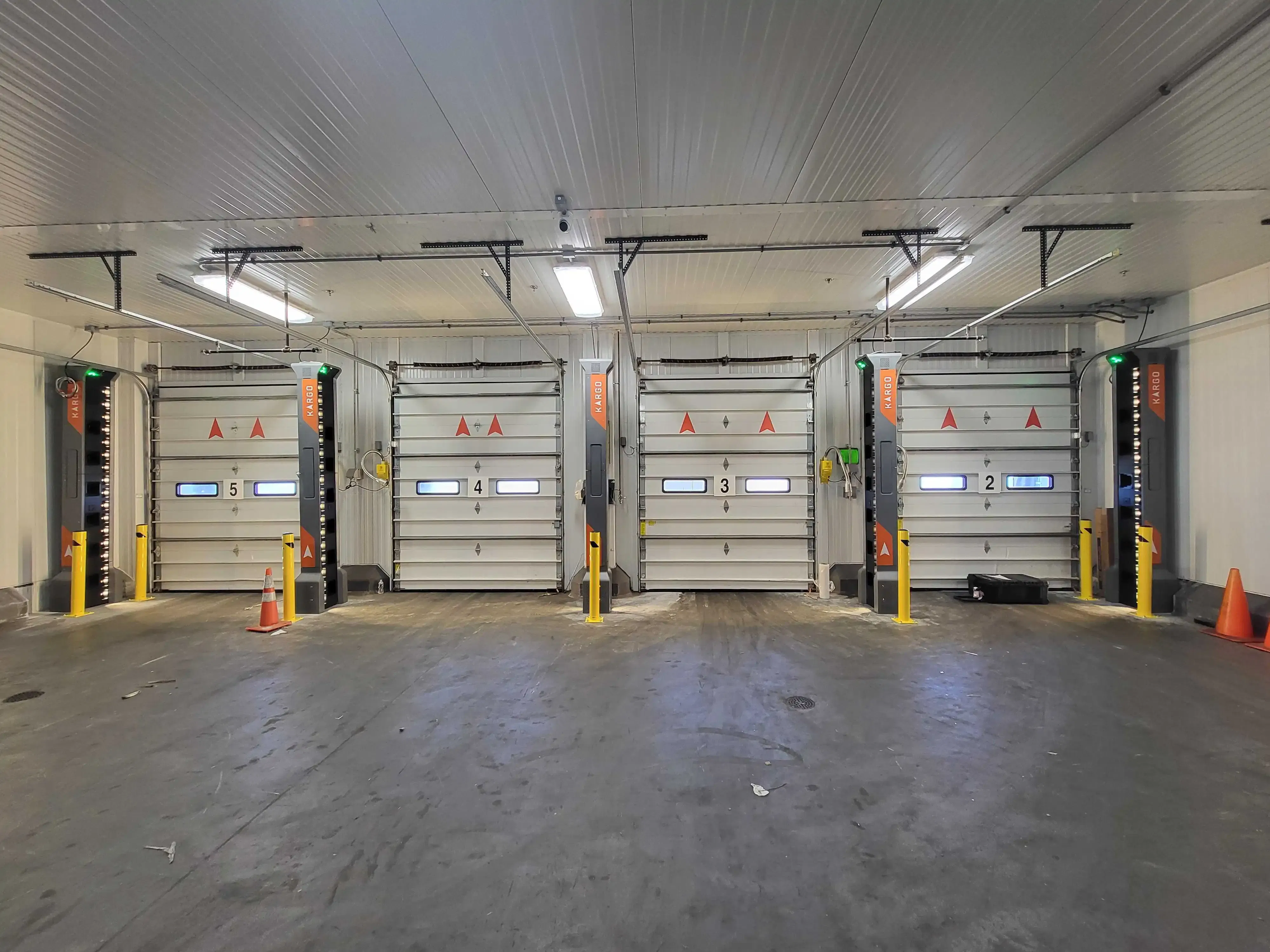
Kargo supports WiFi, LAN, or LTE/5G. Wifi/LAN offer the lowest latency. Kargo Towers require a 110V outlet with a very low draw (~600W, like a mini-fridge). The forklift cameras draw power directly from the forklift.
Kargo's technicians complete on-site installation in under a day, after a pre-installation review of placement, electrical, and connectivity needs.
Exceptions are flagged in real-time and can be configured based on business needs and operational priorities.
Notification options include:
Kargo flags 40+ configurable types of exceptions, including damage, inventory, safety, and productivity. Custom exceptions can be built upon request.
Kargo’s system notifies an operator if there are any unaccounted LPNs at the end of a shipment, typically triggered when the dock door closes or after a period of inactivity.
Kargo is designed around data minimization, configured to read only approved labels and fields.
Yes, this is the only requirement. Cameras can read any visible label (no specific label type needed) on forklifts moving up to 10 mph, without stopping or slowing down.
Yes, with high confidence. Kargo can scan labels under clear shrink wrap, as long as they're visible and perpendicular to the camera. No need to remove wrap.
Not a problem. Kargo doesn't require a fixed label position and can handle thousands of label types across a facility without operator adjustment.
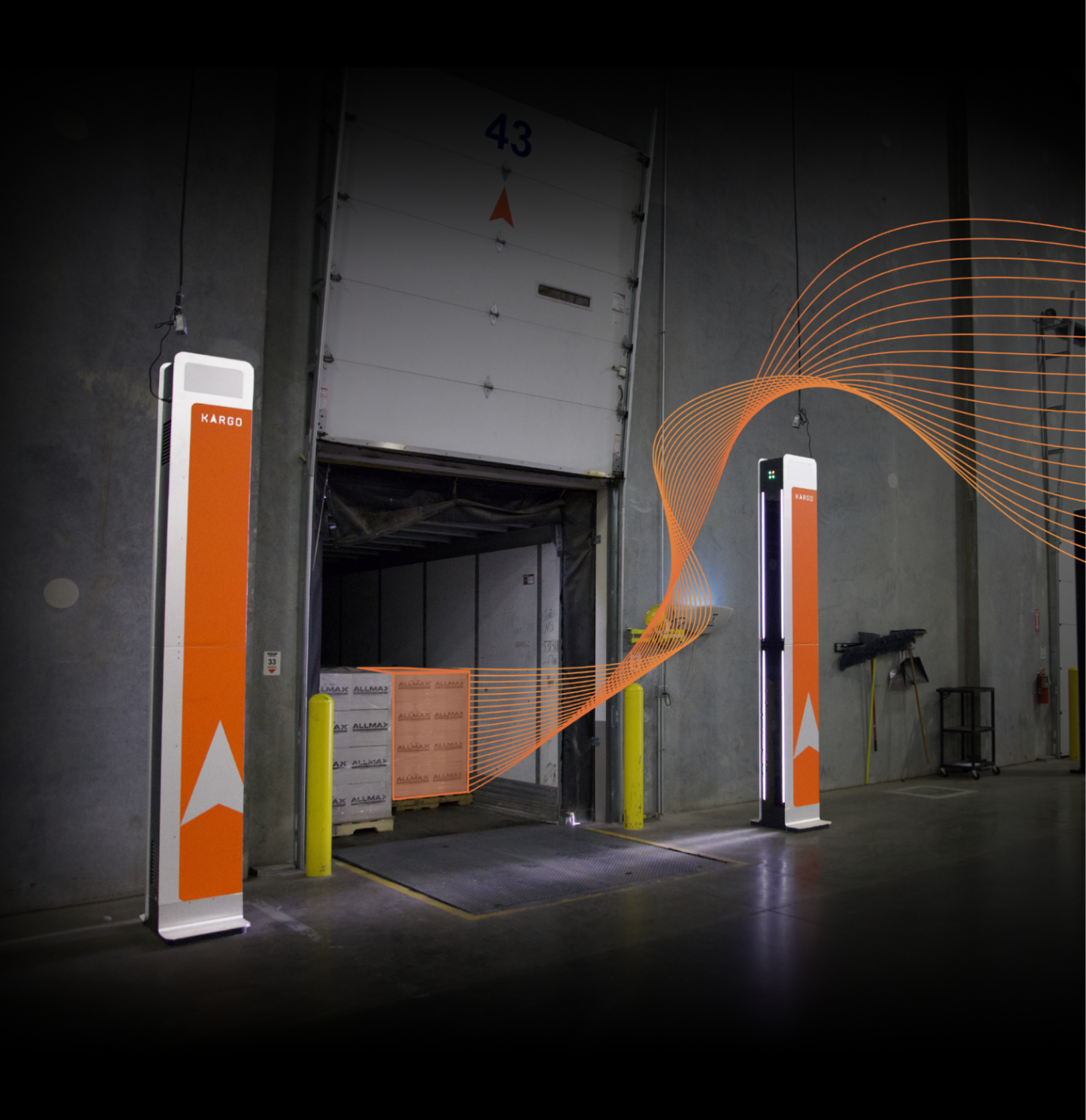
Towers typically cover 2–3 sides; a forklift camera adds a front/fork-side angle. Configuration depends on the use case.
Yes. Unreadable or unlabeled pallets are flagged as "unidentified" exceptions in real time, and cubic dimensioning can catch discrepancies even without a visible label. For inbound shipments with no labels at all, Kargo performs a "blind receive," capturing photo/video evidence.
Yes, Kargo can capture the height, width, and volume of a pallet – including multi-stack pallets. Kargo will also flag pallets that exceed predefined dimension thresholds.
Yes, layer counting is one of two primary methods Kargo uses to infer case quantities on a pallet, particularly when individual case-level serialization is not available.
3x ROI in the first year
Tillamook continues to grow their brand while trusting Kargo to have their back.