
Logistics
Accuracy Counts: How to Track Freight Against the Bill of Lading
Handheld scanners and monster spreadsheets are giving way to computer vision and automatic freight verification.
See Kargo in Action
Case Study
| Kargo | 4 min


Inventory accuracy is the key to assured supply and efficient, resilient supply chains. Armada identified an opportunity to improve data capture during shipping and receiving.
Outbound mistakes, like overshipping or shipping the wrong product, can distort inventory data and subsequent ordering patterns. On inbound, failure to catch supplier issues, such as a damaged or multi-expiry pallet, can skew inventory records and disrupt first expired, first out (FEFO) sequencing. In both cases, inaccurate inventory data directly impacts assured supply planning and fulfillment.
For Logistics Service Providers, shipping and receiving mistakes lead to inaccurate data and inventory loss.
To improve shipping and receiving accuracy, to date, Armada implemented Kargo’s computer vision solution at four of their US Warehouse Hubs. In just 30 days, Kargo’s solution was fully implemented and Armada was able to begin leveraging Kargo’s inventory data.
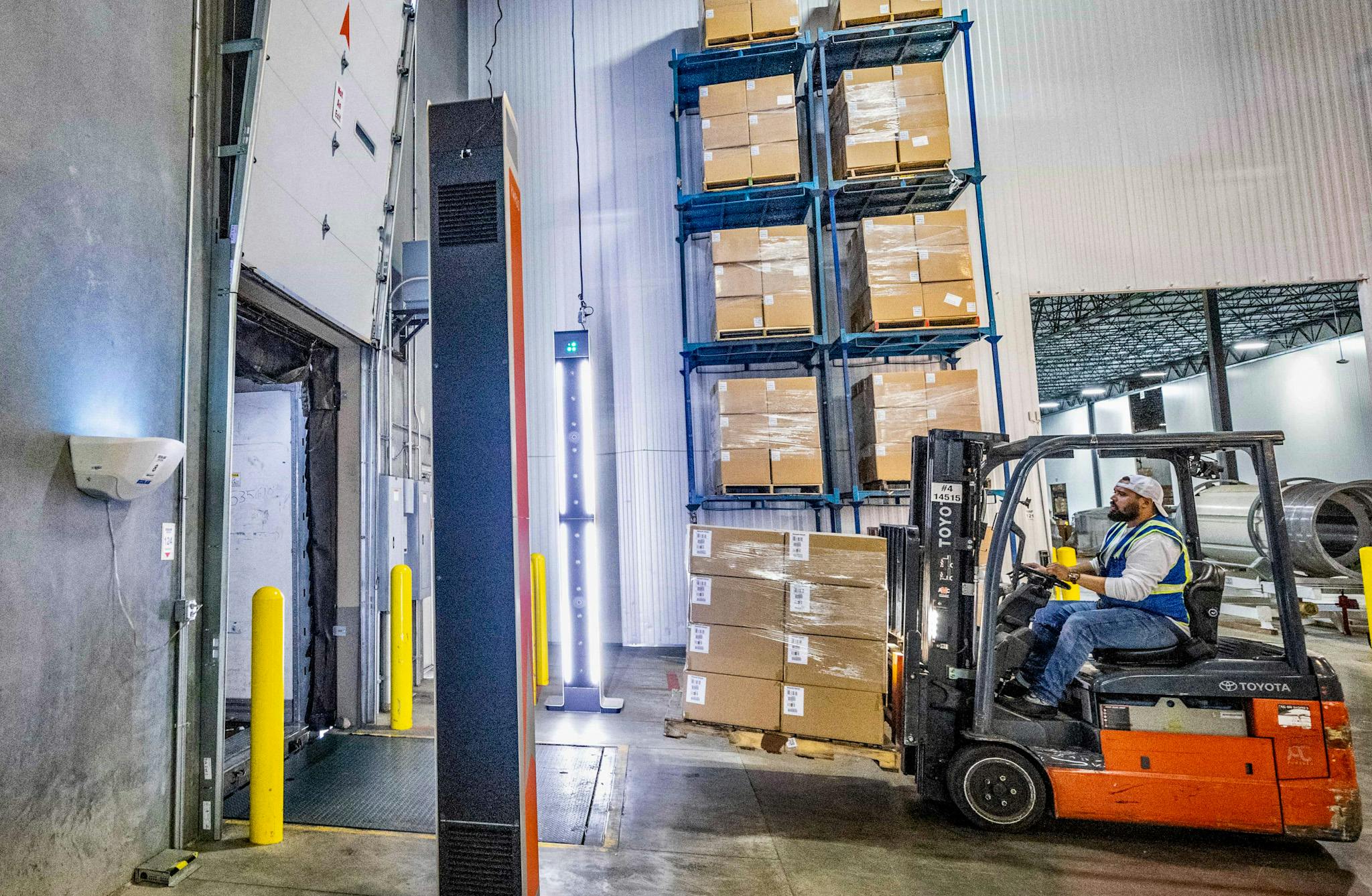
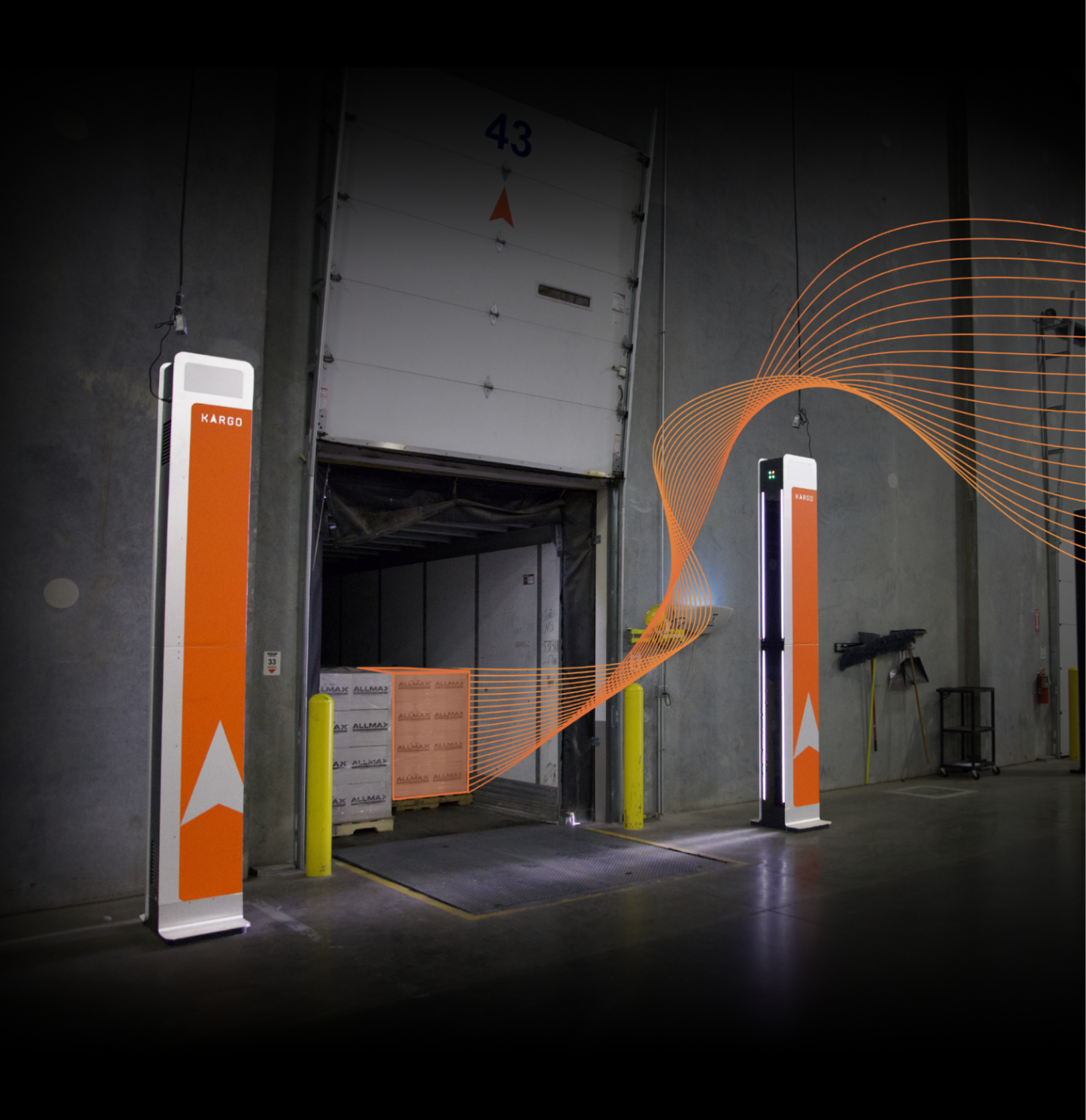
Installed at the loading dock, Kargo Towers use computer vision to capture information from labels and inspect freight for damage as the forklift passes by. Kargo verifies shipments against orders, flags exceptions, and updates existing systems in real time.

Kargo surfaces exceptions related to inventory, damage and employee safety.
On inbound, Kargo compares the shipment against the order, flagging exceptions, such as shortages, damaged pallets or expired product, and notifying the relevant supervisor of any issues.
When Armada’s operators unload a pallet with multiple expiration dates, Kargo alerts the appropriate supervisor. The pallet is broken down by expiration date, separating cases to ensure downstream FEFO compliance. The additional labor required is documented, saved and charged back to the vendor - all on the Kargo Platform.

On outbound, Armada is primarily concerned with shipping the correct product and uses Kargo to flag issues including short shelf life and unexpected LPNs being shipped.
Kargo captures and verifies expiration dates, lot codes, and the license plate number (LPN) of every pallet and compares the data to the order. If the LPN is not listed on the order, Kargo flags an exception and notifies the appropriate shift supervisor. This workflow enables Armada to rectify any mistakes before the truck leaves, improving shipping accuracy.

When claims did arise, Armada used the Kargo Platform to investigate, audit and resolve them.
Using key shipment information including LPN, PO, or batch code, users can instantly find the pallet in question, as well as all corresponding documents and videos, on the Kargo Platform.
All videos of loading dock activities are accessible on the Kargo Platform and can be used as visual evidence with one click. Proof of a pallet’s condition when it was shipped or received prevents Armada from paying claims they are not responsible for, while maintaining good relationships with their customers.
For teams across Armada, the Kargo Platform is a source of information and a collaboration tool. At Armada, 165 cross-functional users communicate with each other on the Kargo Platform, sharing information, leaving notes and tagging others in comments.
When Armada’s operations team identifies and investigates inbound OS&D (using Kargo’s exceptions), they submit Kargo’s OS&D form. This initiates a workflow that shares all documentation, data, and visuals with the finance and supply chain planning teams directly on the Kargo Platform - enabling quick decision making and supply chain resilience.
Armada’s operations team uses the Kargo Platform to collaborate with Finance, Supply Chain Planning and Field Services on many workflows:
By centralizing information and communication, Kargo brings efficiency to cross-team workflows.
Kargo was able to successfully improve Armada’s shipping and receiving which resulted in both time and cost savings.
Inventory Loss: Kargo’s real time exception flagging reduced Armada’s inventory loss by 41% compared to the previous year.
Errors & Claims: Kargo prevented 902 mis-ships, contributing to a total annualized savings of $430.2K.
Automated Workflows: By using Kargo for inventory adjustments and vendor chargebacks, Armada automated 2,900 labor hours over a 12 month period.
Cross-Enterprise Collaboration: 165 Armada employees, across six enterprise teams use Kargo on a daily basis to streamline processes and make data driven decisions.
Proactive Resiliency: Kargo’s real time data enables Armada to provide proactive supply chain services to their customers.

Shipping and receiving accuracy is a cornerstone of Armada’s proactive resiliency strategy. By using Kargo to tackle challenges and optimize operations, Armada is strengthening its position as a leader and setting a new standard for the industry.
Handheld scanners and monster spreadsheets are giving way to computer vision and automatic freight verification.
OS&D uncertainty can drive related expenses into the millions. Computer vision can stabilize cost and effort immediately.
Edge computing is the key to really real-time logistics (not the hours later kind). This easy guide puts complex computing into terms that make sense to decision-makers.