
OS&D
Computer Vision Takes the Guesswork Out of OS&D
OS&D isn’t just a cost of doing business. It’s the cost of outdated logistics.
See Kargo in Action
How It Works
| Kargo | 4 min


Radio Frequency Identification technology (RFID) has long been an invaluable tool in logistics, helping teams track inventory and streamline processes. But now, there’s a new technology on the scene: Artificial intelligence (AI). AI brings new possibilities, from real-time quality checks to predictive insights, that go beyond what RFID can offer. So how do these two technologies stack up? This post dives into the core capabilities of RFID and AI, exploring where each technology shines and how they address the unique challenges in modern logistics.
RFID technology has long been a backbone in the warehousing world, allowing companies to track assets, reduce errors, and keep tabs on inventory without the need for constant manual intervention. For industries with high-volume shipping and receiving, RFID tags offer a powerful solution for asset tracking and inventory visibility.
Some of RFID’s strongest use cases include:
However, RFID alone has its limitations. While it’s excellent for tracking and managing data on tagged assets, it doesn’t provide information about the condition or quality of the items themselves. This is where AI plays a crucial role.
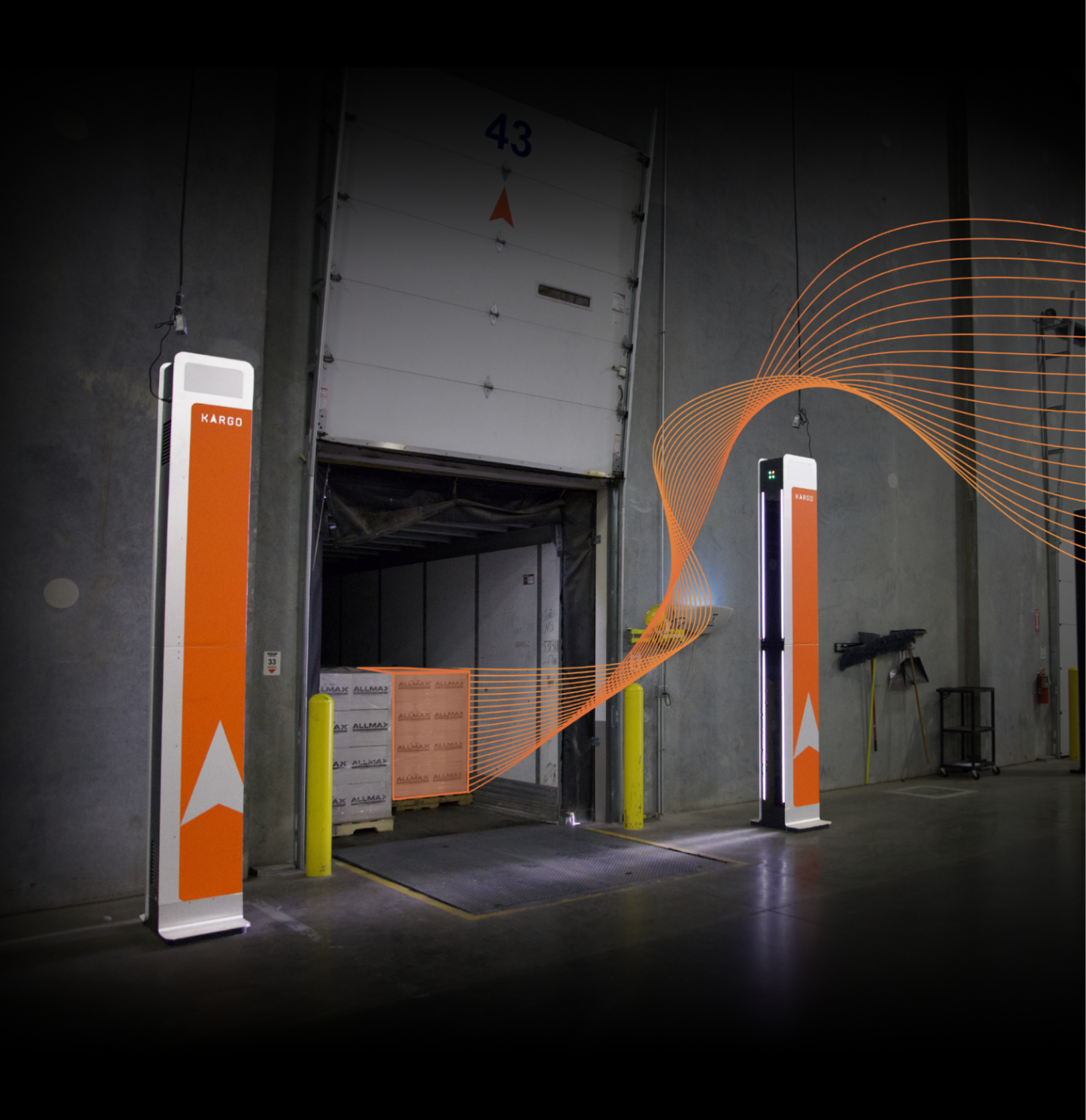
AI goes beyond basic tracking by analyzing images, video, and other data, providing visibility not only into where items are located but also into their condition, quality, and other potential issues.
Some key strengths of AI in logistics include:
In short, AI empowers warehouse operations with a depth of data and predictive insights that RFID alone cannot provide, making it an invaluable solution for organizations that prioritize visibility, efficiency, and accuracy.
Now that we’ve outlined the capabilities of each technology, let’s compare them across common warehouse needs.
So, which technology should logisics leaders prioritize? The answer depends on your specific needs. For basic inventory management, RFID can be an effective solution. However, for high-compliance industries like food and beverage and manufacturing, AI provides additional benefits that ensure quality, increase efficiency, and support long-term operational goals.
In some cases, combining both technologies offers the best results. RFID can serve as a foundation for inventory tracking, while AI builds on this foundation to deliver deeper insights and enhance quality assurance processes.
RFID and AI each have their place in modern logistics. Understanding their individual strengths helps leaders make informed decisions, ultimately enhancing facility operations and resilience in today’s fast-paced supply chain environment.
OS&D isn’t just a cost of doing business. It’s the cost of outdated logistics.
Visualize your current and future workflows to discover how computer vision improves loading dock operations.
Armada rolled out Kargo’s computer vision solution across their National warehouse footprint to improve inventory management, while increasing operational efficiency and accuracy.