
Read All by Bingyan Liu
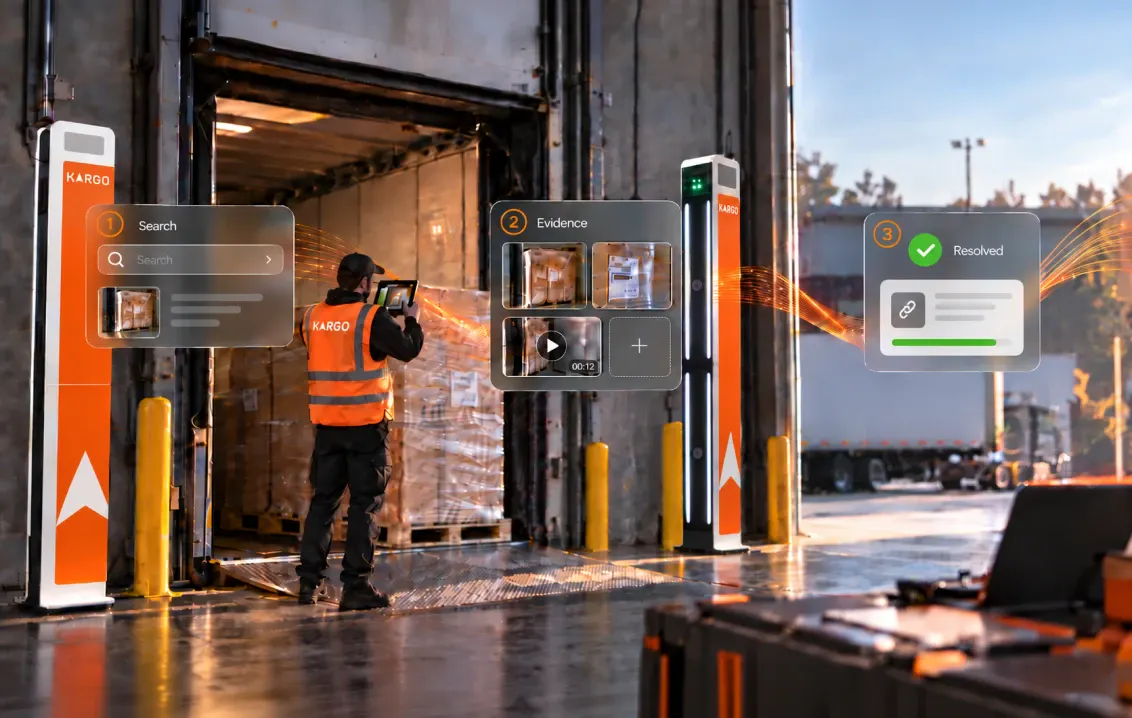
How It Works
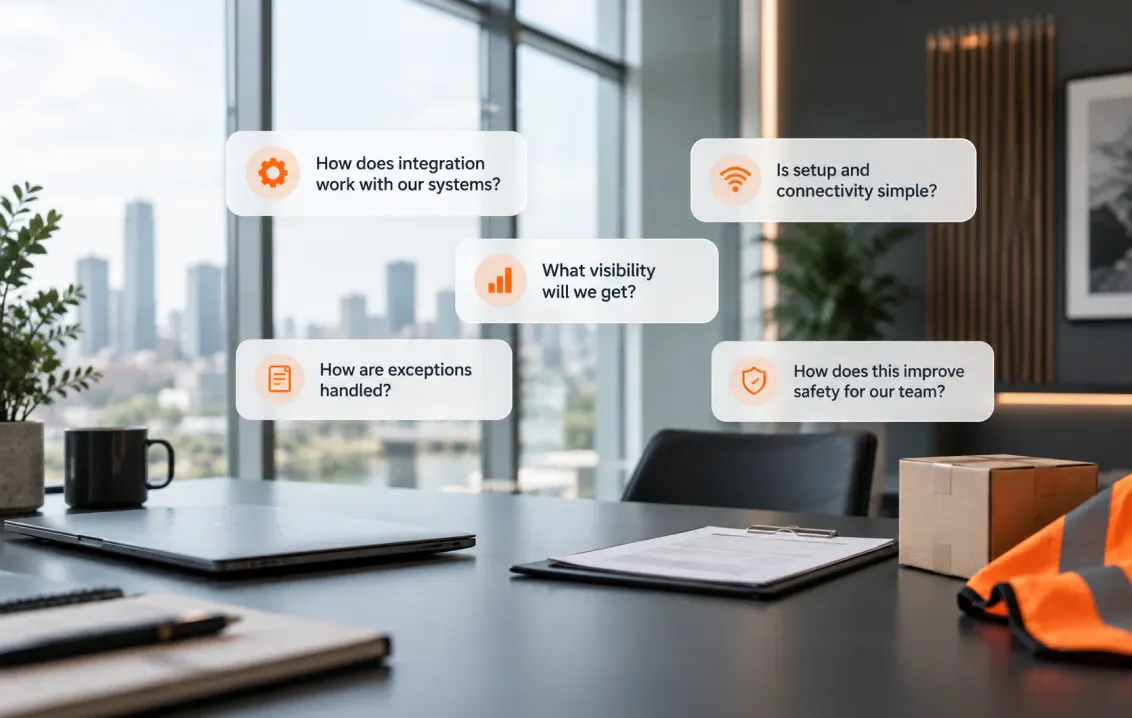
Frequently Asked Questions
We reviewed the most frequent questions people have before deciding to work with Kargo.

Case Study
How Tillamook Halved Outbound Damage Claims and Eliminated $173K in Chargebacks
Tillamook continues to grow their brand while trusting Kargo to have their back.

Kargo System
Warehouse AI Meets Automated Dock Doors—Introducing Kargo Intelligence
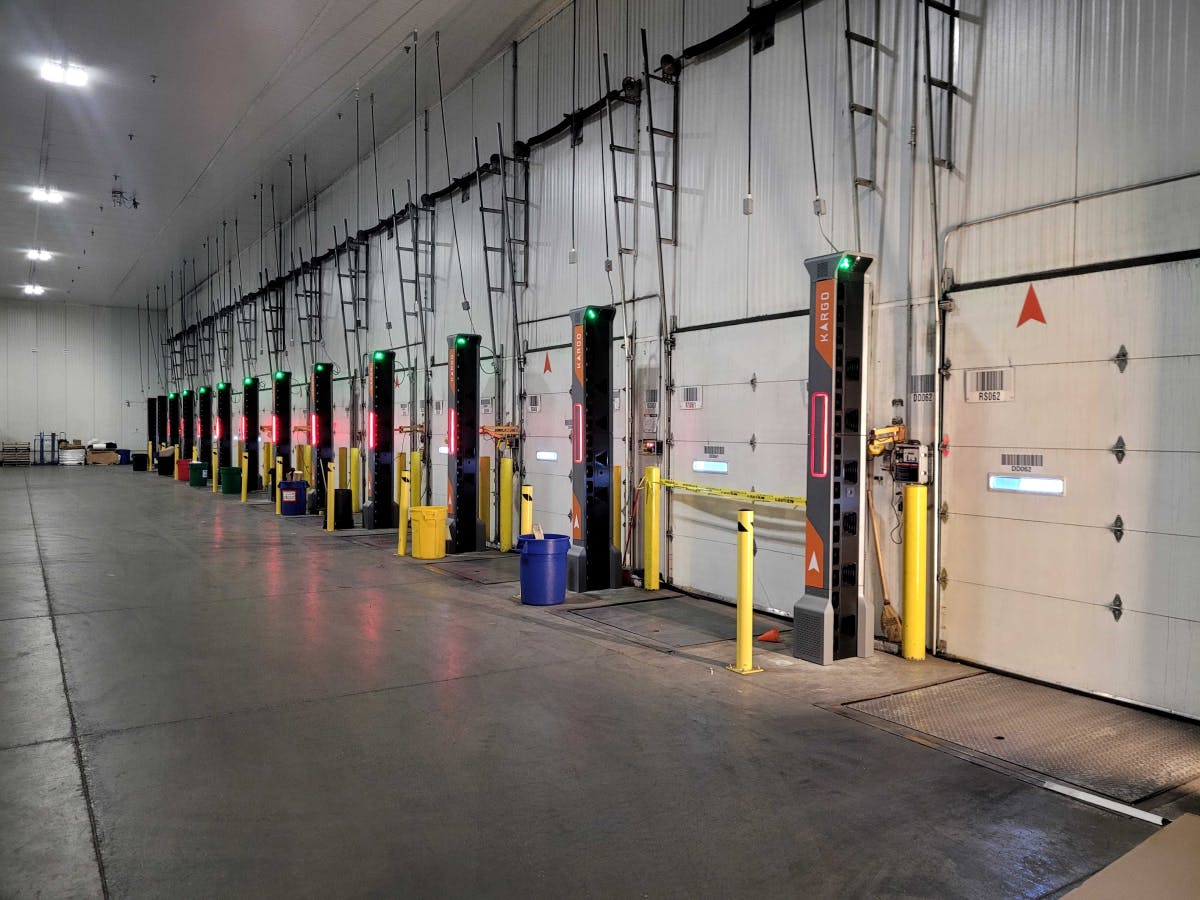
Kargo Intelligence fuses warehouse AI with dock door automation, combining high‑speed dock door scanning and loading dock automation to streamline every back‑office workflow. The platform delivers AI warehouse‑level visibility, enabling automated receiving and automated scanning that surface instant, traceable answers—OS&D, ASN, labor, and more—at each dock door.
Kargo System
Guide to Automated Dock Door Scanning: What You Need to Know
In today’s high-velocity supply chains, the loading dock is where inventory accuracy, customer satisfaction, and labor efficiency intersect. Automated dock door scanning—powered by computer vision—removes manual barcode scans and clipboards from this critical hand-off point. Below is a practical guide to help operations teams evaluate, deploy, and scale an automated dock door scanning program.

Kargo System
Dock-Door Automation: Faster Throughput, Leaner Teams
Automated dock-door scanning—using computer vision, RFID, or other solutions—is transforming warehouse operations by speeding up freight flow and reducing labor needs. With labor costs surging, operators are replacing manual barcode scanning and paperwork with real-time pallet tracking and automated data capture. RFID portals and computer vision scan pallets in motion, eliminate scan delays, and post directly to the WMS. The result: faster throughput, leaner crews, and fewer dock bottlenecks—making dock automation a must-have for modern warehouses.

Kargo System
Dock Door Automation: How Smart Scanning Transforms the Modern Loading Dock
Tired of bottlenecks, lost pallets, and endless scanning at your dock? Learn how dock door automation and smart loading dock systems can speed up throughput, cut errors, and give your team real-time visibility—without slowing operations down. This guide breaks down how it works, where it fits best, and how to get started in under 48 hours.

Kargo System
How Lineage is Utilizing Kargo to Automate Warehouse Receiving
Receiving requires speed and precision, making it an ideal candidate for automation—yet achieving it is no easy task. Discover how Kargo is helping Lineage tackle the challenge of reading product labels with AI to automate receiving.

OS&D
What Is OS&D (Overages, Shortages & Damages) and How to Prevent It with Automated Pallet Scanning
OS&D—overages, shortages, and damages—create costly disruptions across the supply chain, from missed pallets to rejected freight claims. This guide breaks down why OS&D happens, how it impacts your operation, and what tools—including automated pallet scanning—can prevent it.

Future Ready
Automated Dock Door Solutions: A Step by Step Guide to Loading Dock Automation
Dock door automation can't wait. Strategize now with our automated dock door implementation guide using computer vision technology.

Future Ready
How AI is Shaping the Future of Outbound Shipment Verification
It’s about time outdated verification methods caught up with the demands of modern logistics. Discover how AI is transforming shipment verification through automation.

How It Works
Extract More Value: How and Why to Integrate with Kargo
The days of siloed software solutions are long gone. Discover the benefits of integrating Kargo with your existing management systems - and see how easy it can be.

How It Works
RFID vs. AI in Logistics: Choosing the Right Technology for Your Operations
AI might be stealing the spotlight, but how does it stack up against RFID when it comes to logistics? Discover which technology is the best fit for your operational needs.

Case Study
How Dircks Transformed Outbound Operations with AI
Discover how Dircks Moving & Logistics embraced AI-powered dock automation to boost efficiency, accuracy and customer satisfaction.

Customer Spotlight
How Armada is Setting New Standards for Inventory Management with AI
Armada rolled out Kargo’s computer vision solution across their National warehouse footprint to improve inventory management, while increasing operational efficiency and accuracy.
Kargo System
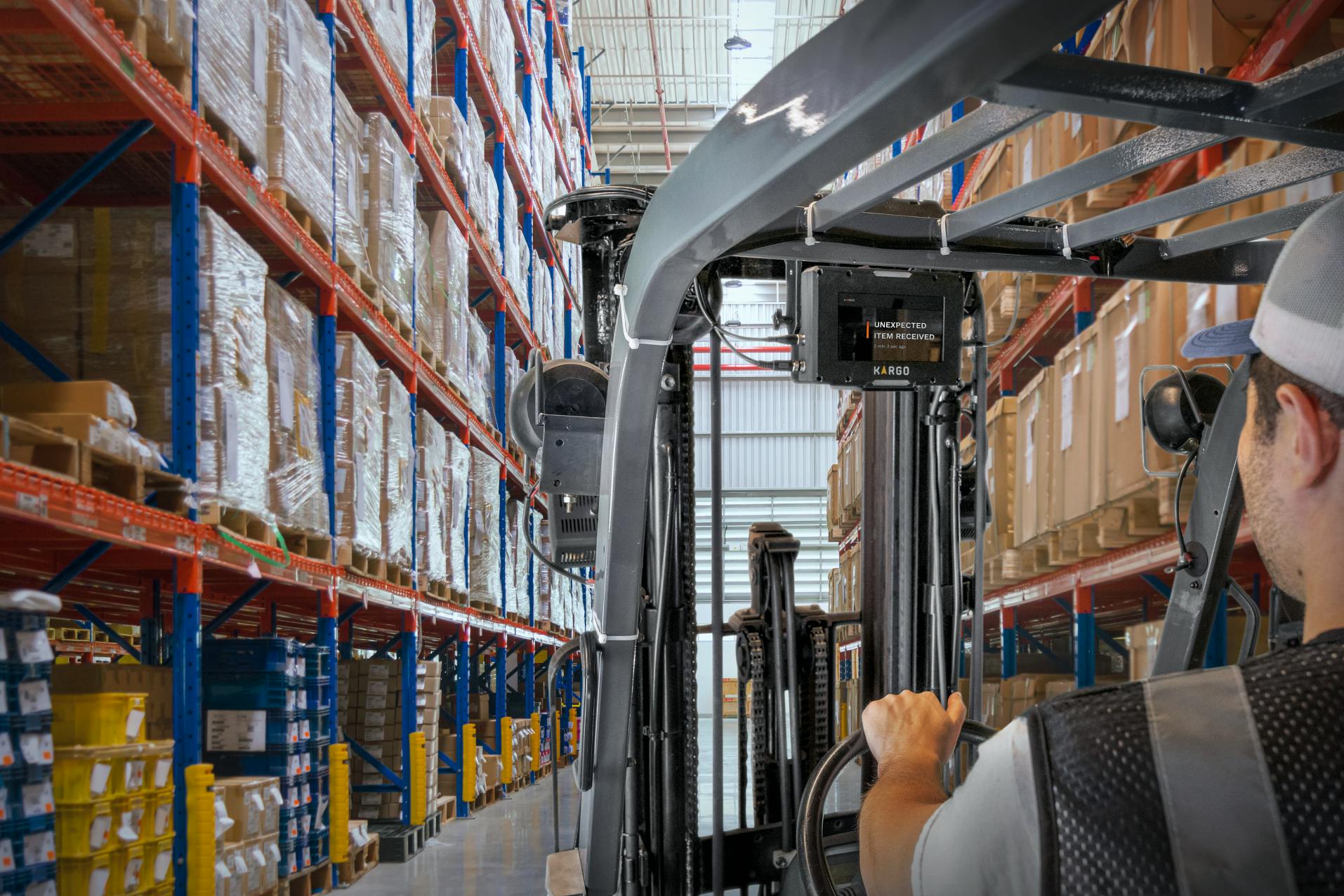
Meet the Kargo Lift: Bringing AI-Enabled Automation and Visibility to Forklifts
Extend the power of AI to your forklifts. The new Kargo Lift expands Kargo’s capabilities, automating shipping and receiving processes and taking visibility beyond the loading dock.

How It Works
Why Kargo's OCR Outperforms Generic OCR for Label Reading
Kargo created its own OCR technology to tackle the challenges of label reading, outperforming generic OCR solutions for next-level accuracy, security and real-time operational capabilities.

Strategy
6 Reasons Why 3PLs Should Offer Computer Vision as a Value-Add Service
As a value-add service, computer vision at the loading dock can drive revenue and empower 3PLs to develop AI capabilities without the typical risk of early adoption.

Strategy
5 Ways Computer Vision Can Help You Stand out in a Competitive 3PL Market
With computer vision, 3PLs can provide unique benefits that differentiate them from competitors, reducing customer churn and attracting new business.
How It Works
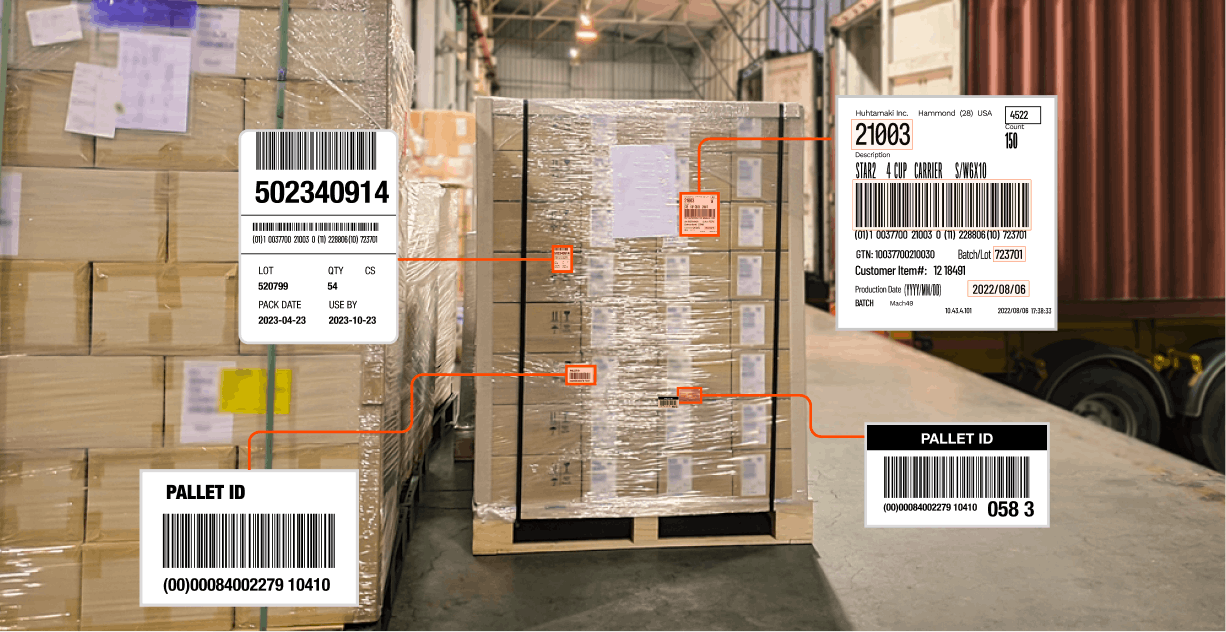
Revolutionizing Label Reading with AI: Kargo's Breakthrough Method
Explore Kargo’s innovative approach to label reading - a patented technique that tackles real world challenges and outperforms existing AI methods.

Strategy
10 Ways Computer Vision Unlocks Growth for 3PLs
From enhancing operational efficiency to attracting high-value customers, computer vision at the loading dock can drive growth for 3PLs.

Food & Beverage
How the FDA’s Food Traceability Rule is Uncovering Information Gaps in Food Supply Chains
Closing the information gaps in food supply chains is crucial, yet the implementation of the FDA’s new rule comes with its own set of challenges.

Food & Beverage
Ensuring Traceability and Compliance: Your Guide to Mixed Pallet Management
Explore the challenges associated with multi-expiration date and multi-lot code pallets and the management strategies for enhancing compliance and traceability.

Customer Spotlight
How Yazaki is Revving Up Efficiency With Computer Vision
Discover how the world’s largest privately-owned automotive supplier is using a computer vision solution at the dock door to boost efficiency across their business.

Customer Spotlight
From Tradition to Tech: Dircks Embraces Computer Vision to Enhance Efficiency
After three decades of success in the industry, discover how Dircks Moving & Logistics is using computer vision to take their business to the next level.

Strategy
See Process Maps for Automated Shipping and Receiving
Visualize your current and future workflows to discover how computer vision improves loading dock operations.

Food & Beverage
6 Ways to Do More with Lot Codes
You can do a lot more with lot codes than you may realize. Once you’ve automated recordkeeping, you can respond to recalls, regulatory requests, and market shifts with confidence and agility.

Healthcare
Automation Drives New Advantages for Healthcare Supply Chains
For pharmaceutical and medical device manufacturers, performance and profit depend on how well your supply chain adapts to changing market forces. Computer vision automates digitization, compliance, and complete shipment accuracy.

Food & Beverage
Food Traceability Rule FAQs: Get Started on Compliance Now
Kargo automates extensive record keeping required by the Food Traceability Rule. Launch compliance efforts now for an easy transition that delivers multiple supply chain advantages.

Healthcare
Healthcare Supply Chains: Manage Compliance and Risk with Computer Vision
Optimize compliance and product availability by automating data capture and flagging discrepancies at loading docks.

OS&D
Kargo x FreightWaves Research: Everybody Pays for OS&D
Shippers and 3PLs spend up to 6 figures a month or more on outdated OS&D protocols. What if you could modernize the way forward for you and your partners? This special report explains how.
Logistics
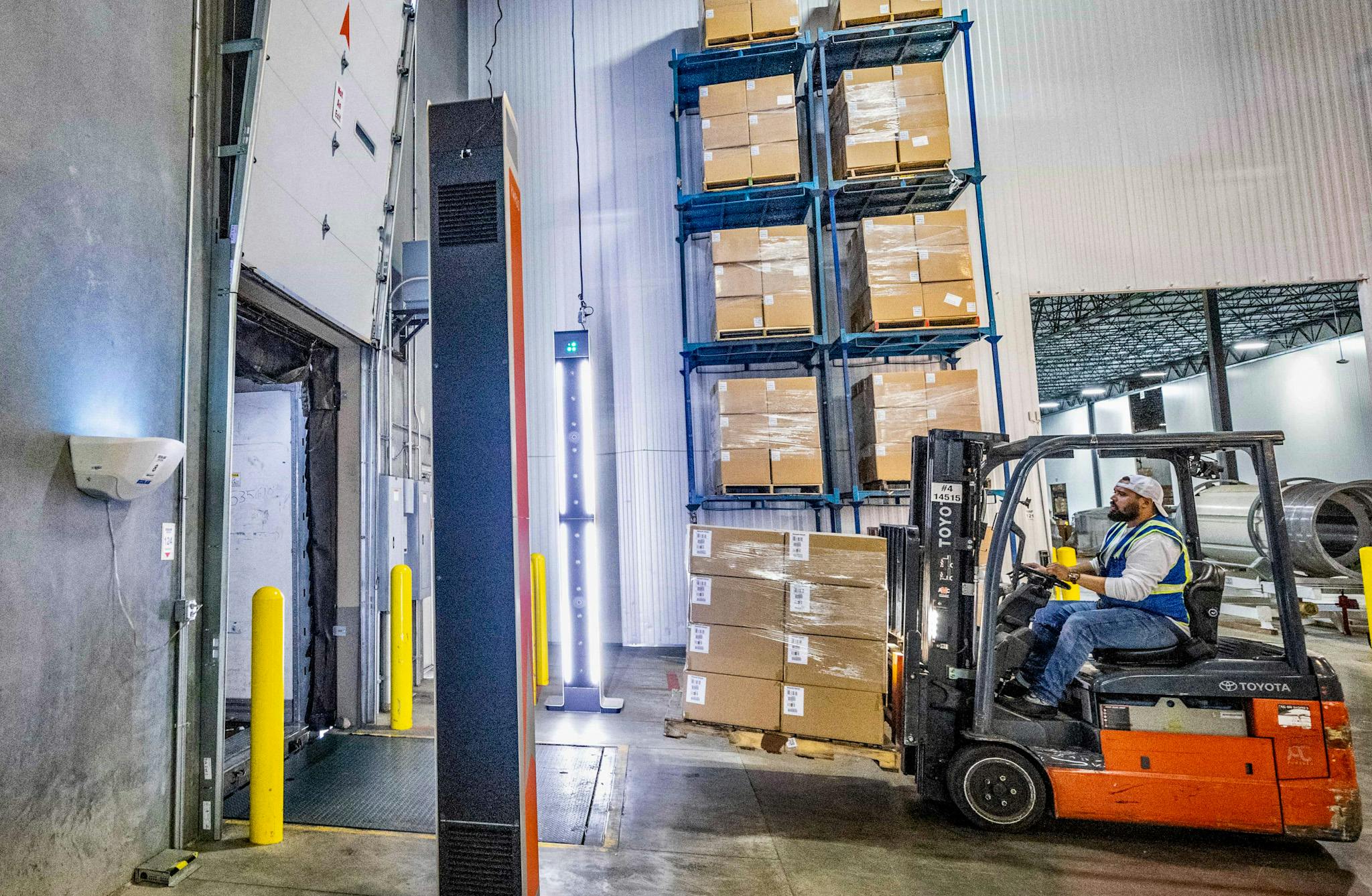
Edge Computing in Logistics: Everything You Need to Know
Edge computing is the key to really real-time logistics (not the hours later kind). This easy guide puts complex computing into terms that make sense to decision-makers.

Kargo News
Kargo Achieves SOC 2® Type 2 Certification
Kargo has completed SOC 2 Type 2 certification, assuring your freight data is protected under a set of five Trust Services Criteria.

OS&D
3 Ways to Control Spending on OS&D
OS&D uncertainty can drive related expenses into the millions. Computer vision can stabilize cost and effort immediately.

How It Works
See the Kargo Platform: Freight Data Backed by Computer Vision
Explore performance analytics, data visualizations, exception lists, and video proof of events.

OS&D
Computer Vision Takes the Guesswork Out of OS&D
OS&D isn’t just a cost of doing business. It’s the cost of outdated logistics.

Logistics
Accuracy Counts: How to Track Freight Against the Bill of Lading
Handheld scanners and monster spreadsheets are giving way to computer vision and automatic freight verification.
How It Works
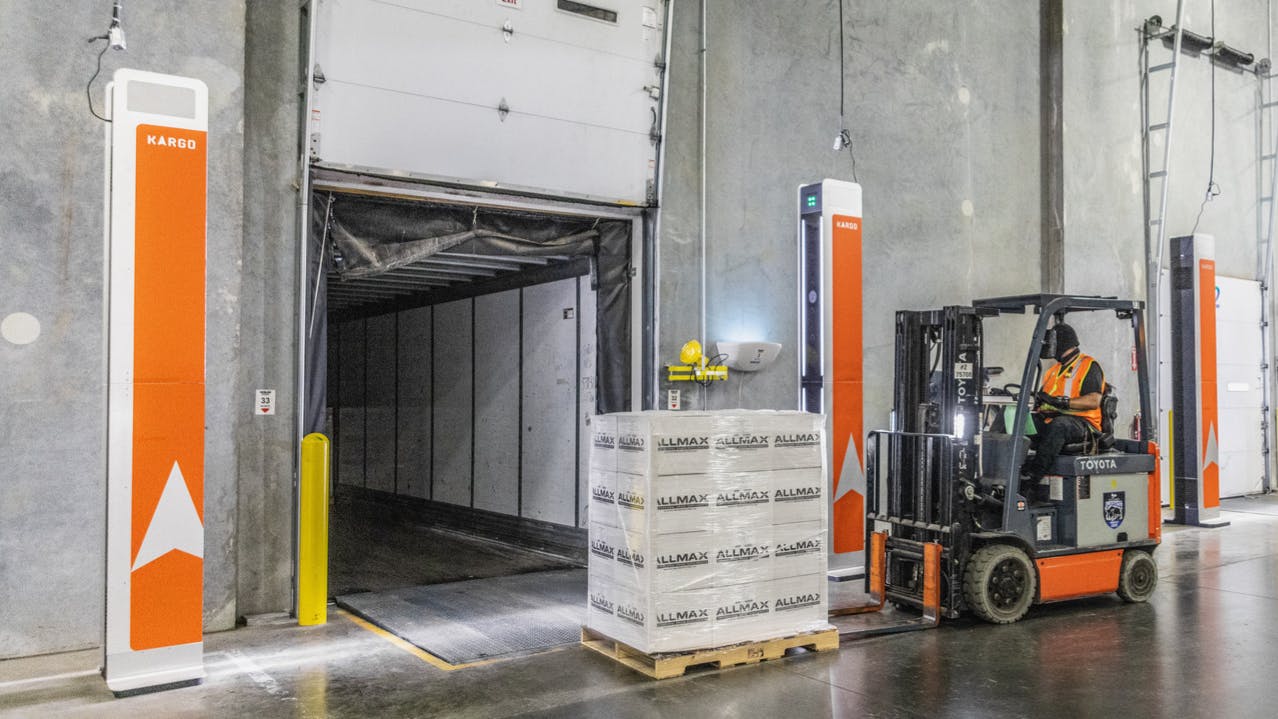
What Is Computer Vision in Logistics?
Computer vision has the power to resolve pressing logistics problems. In the warehouse, it supports automated scanning to update data systems and flag freight discrepancies.

Future Ready
Why Vertical Warehouses are the Future of Logistics — and Why Loading Docks Need to Adapt
The traditional design of a warehouse — vast, flat, and horizontal — is increasingly at odds with the needs of today’s supply chain. With an acute shortage of land upon which to construct more distribution centers, builders are shifting to a new model: the vertical warehouse.

Future Ready
Building a More Resilient and Equitable Supply Chain
Marc Andreesen famously posited that software is eating the world. If that is in fact the case, software must have left the supply-chain industry for dessert.